
The Territory
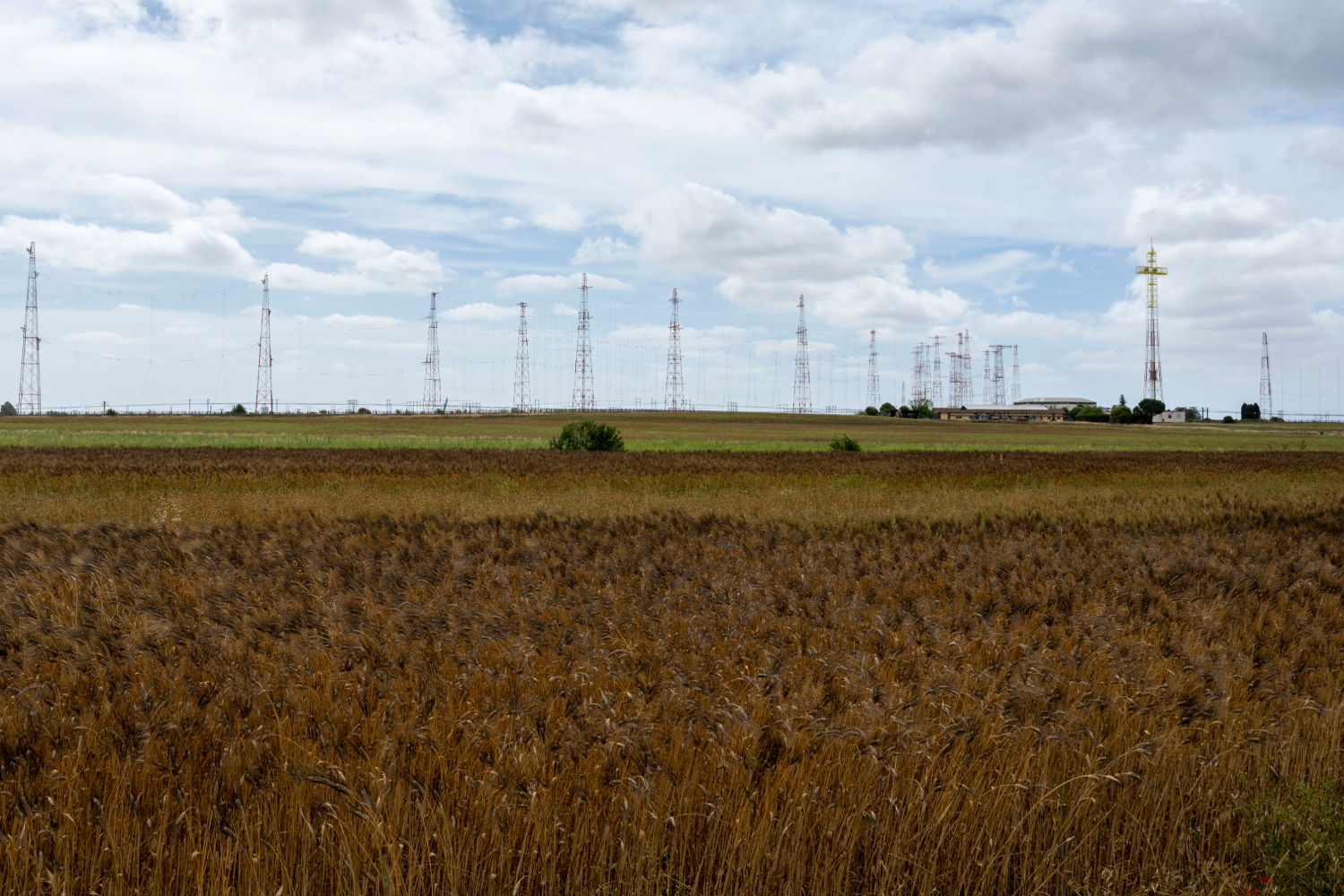
Respect and Enhancement of the Territory
The “Vatican to Green” Project is not only about energy and the environment. It also includes an important initiative to enhance the cultural heritage of the extraterritorial area of Santa Maria di Galeria, which preserves a rich archaeological and historical legacy spanning a broad period, from the Roman era to the seventeenth century.
The area is of particular interest due to the presence of significant evidence of its history, art and engineering, which has been preserved over time and helps illustrate the relationship between the territory and the different historical periods that have shaped it.
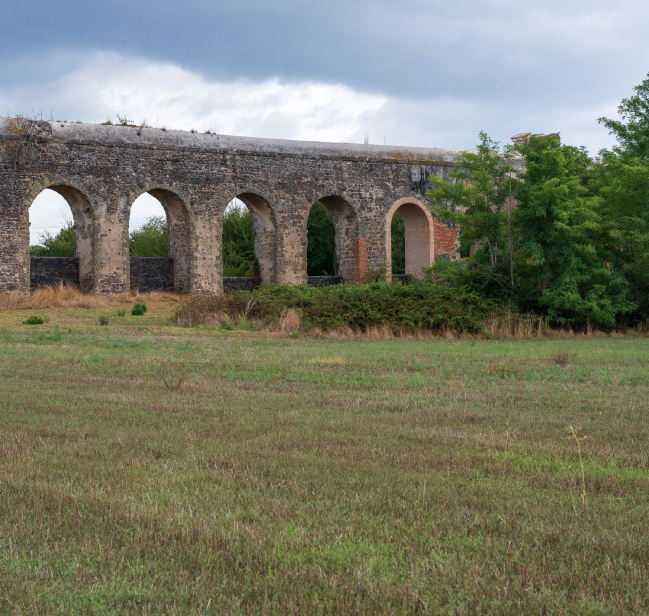
From the Via Clodia to the mansio of Careiae, from the remains of the Trajan-Paul Aqueduct to the casts of the frieze of Trajan’s Column, Santa Maria di Galeria preserves features of great historical and cultural value.
The enhancement of this heritage forms part of the Project’s broader vision, which brings together archaeology, culture, the environment and sustainability, linking the memory of the territory with the prospects for its future.
Evidence of Ancient Rome
Among the most significant features of the area is the Via Clodia, an extraordinarily well-preserved Roman road that formed a key part of ancient Rome’s road network, connecting the capital with northern Etruria.
Along this approximately 166-metre stretch of road, the ruts left by passing carts are still visible, as are the basalt curbs and upright stone markers, which bear witness to the meticulous construction of the road surface.
The area is also home to the mansio of Careiae, a Roman way station located at the fifteenth mile of the Via Clodia. Excavations conducted by the Directorate of the Vatican Museums have brought to light an extensive complex, with buildings arranged around a central courtyard. Among the most significant remains are the stabula, the stables where horses were kept.
Archeology and Engineering in the Territory
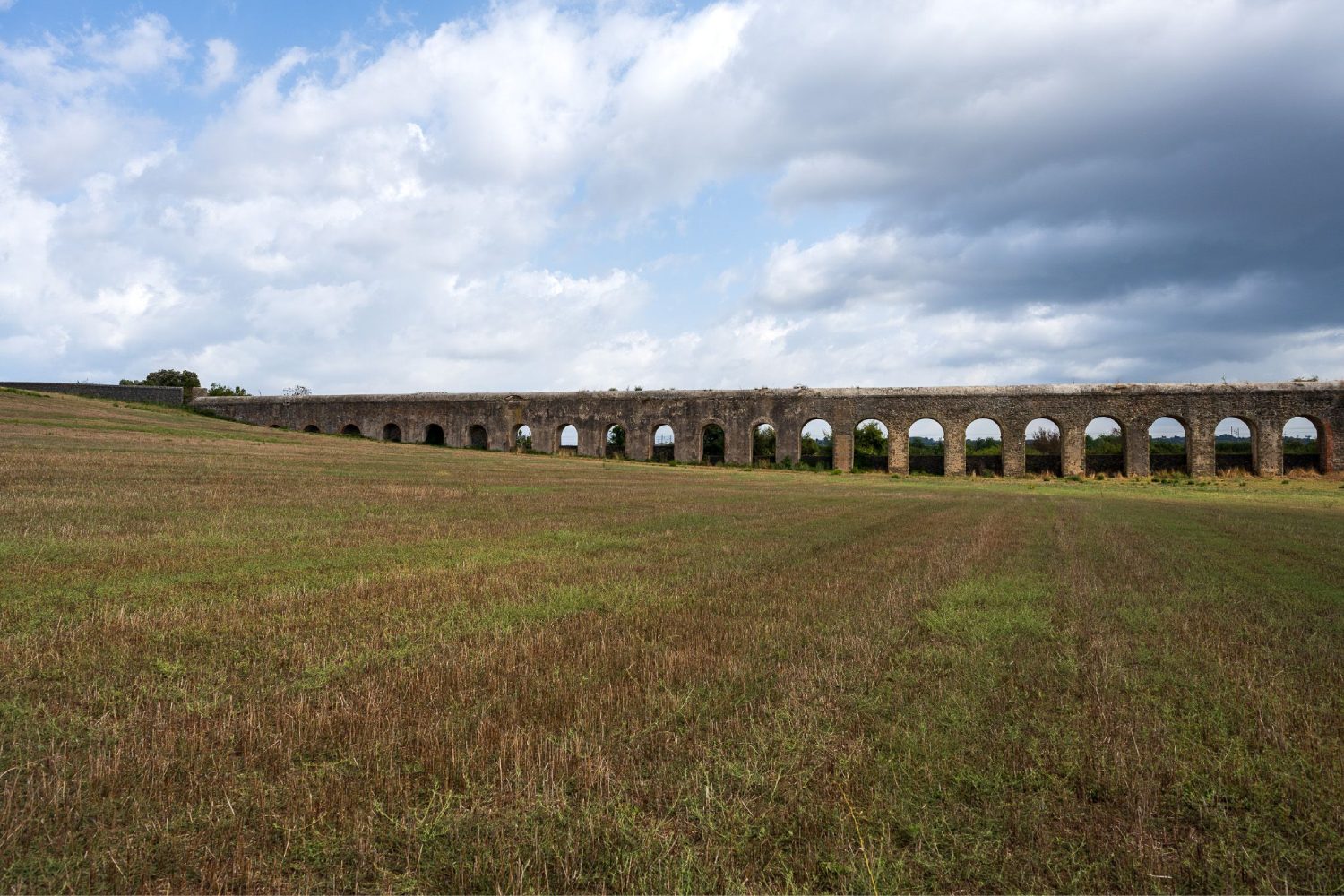
The area preserves the remains of the Trajan-Paul Aqueduct, one of the most impressive works of hydraulic engineering of ancient Rome. Rebuilt in the seventeenth century by Pope Paul V, the aqueduct crosses the Galeria stream along the section known as the Arcacci, which extends for approximately 400 meters and reaches a height of 15 meters.
The aqueduct still supplies approximately 200 litres of water per second, used primarily for the fountains in the Vatican gardens and courtyards.
The area’s artistic heritage also includes white concrete casts of the frieze of Trajan’s Column, one of the most extraordinary examples of monumental sculpture from antiquity. Restored with the support of The Patrons of the Arts in the Vatican Museums New York Chapter, they depict the emperor Trajan’s military campaigns and victories.
The Cultural Heritage of Santa Maria di Galeria
The buildings of the agricultural estate will house archaeological objects discovered during preliminary investigations conducted throughout the area, as well as a section dedicated to the project for the new agrivoltaic plant.
The project to enhance the cultural heritage of the Santa Maria di Galeria area represents an important initiative to preserve and communicate the history of the territory through a combination of archaeology, engineering, art and sustainability.
Through the use of modern technologies, the area’s heritage can be enhanced while engaging with the challenges and opportunities of the present day.
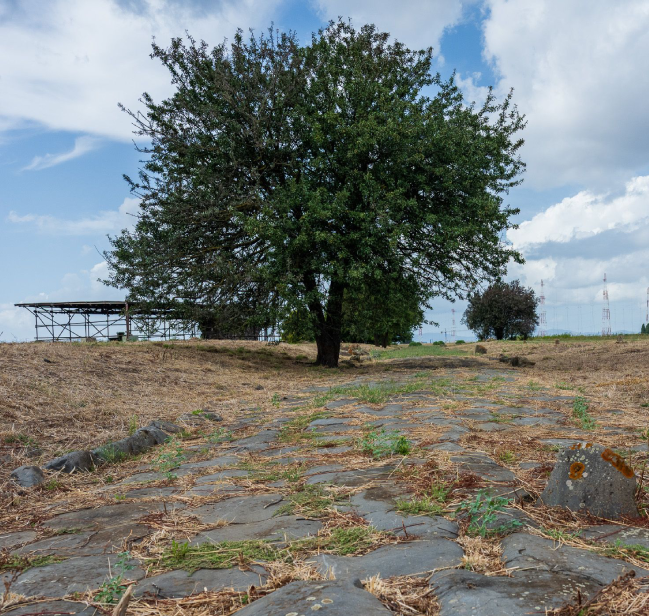
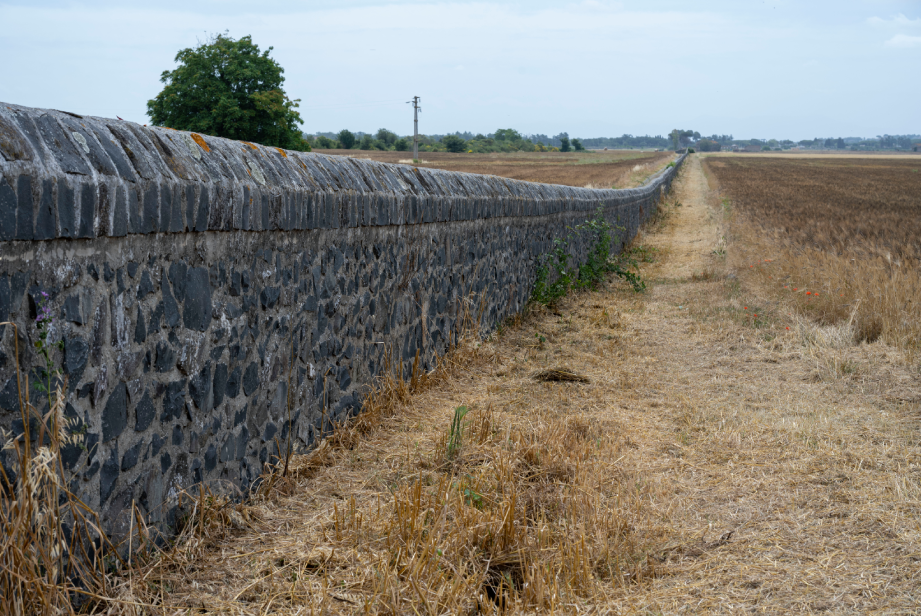
The Via Clodia
An extraordinarily well-preserved Roman road that bears witness to the importance of ancient Rome’s road network and its connections with northern Etruria.
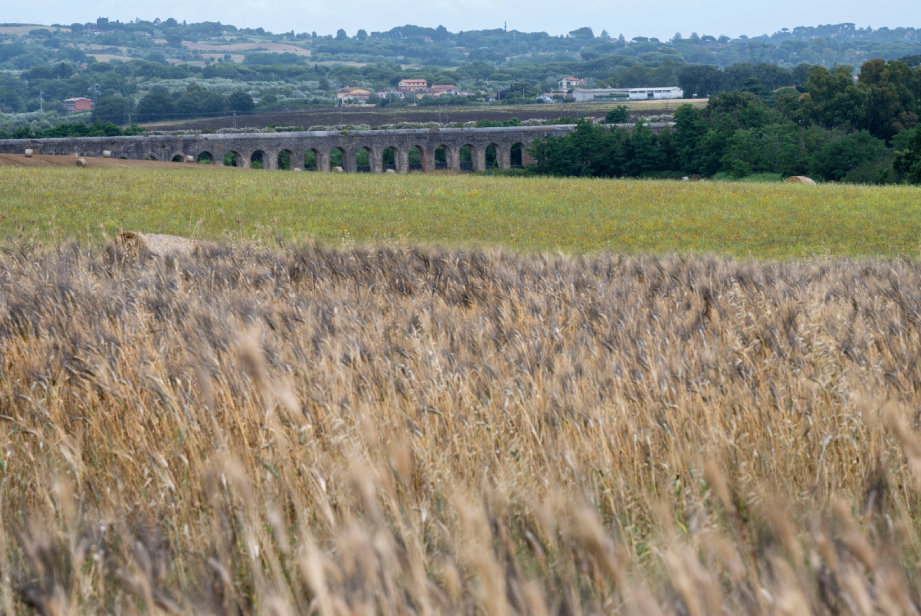
The Trajan-Paul Aqueduct
This section of the Trajan-Paul Aqueduct crosses the Galeria stream for approximately 400 meters, reaching a height of 15 meters.